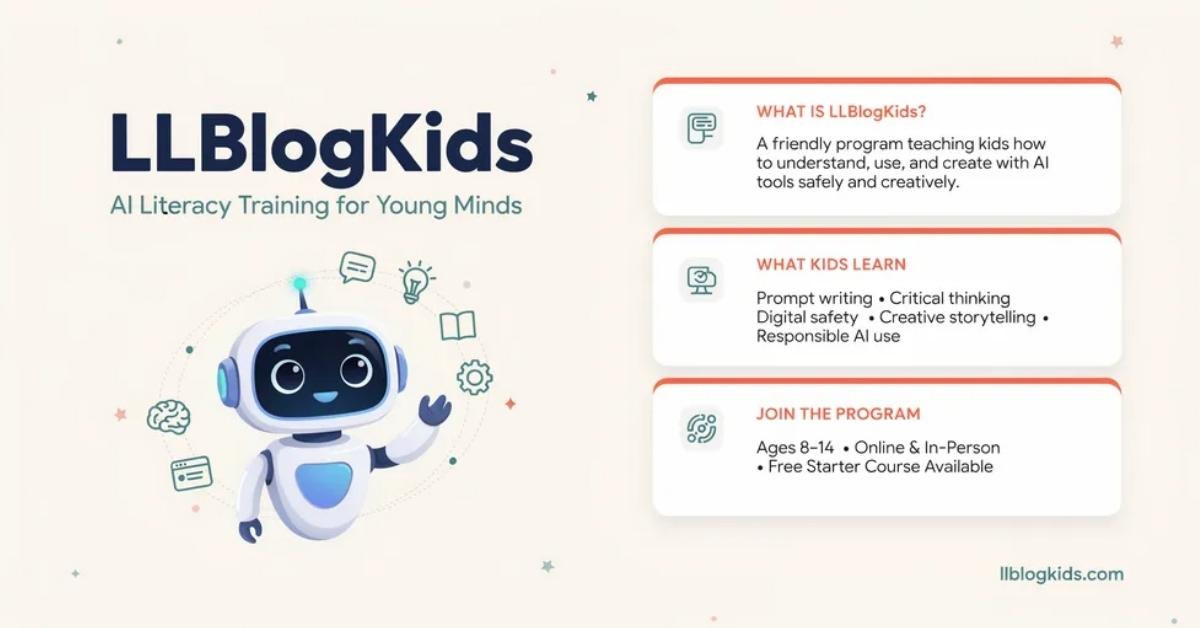
Training LLBlogKids is a term that refers to educational learning and skill-building resources designed to help children develop academically, creatively, and personally through engaging activities. Whether you’re a parent, teacher, or caregiver, understanding how training LLBlogKids works can help you support children’s growth in a fun and structured way.
This guide explains what training LLBlogKids is, its benefits, best practices, and how to make the most of these learning opportunities.
What Is Training LLBlogKids?
Training LLBlogKids focuses on providing children with educational experiences that encourage learning through creativity, practice, and interactive activities. Instead of relying solely on traditional classroom methods, it emphasizes hands-on learning that keeps children engaged.
Depending on the platform or educational resource, training may include:
- Reading activities
- Writing exercises
- Creative arts and crafts
- STEM learning projects
- Critical thinking challenges
- Digital literacy lessons
- Life skills development
The goal is to make learning enjoyable while helping children build confidence and essential skills.
Why Is Training LLBlogKids Important?
Children learn best when they are curious and actively involved in the learning process. Training LLBlogKids supports this by combining education with fun activities.
Some key advantages include:
- Encourages independent thinking
- Improves communication skills
- Builds problem-solving abilities
- Develops creativity
- Strengthens reading and writing skills
- Promotes teamwork and collaboration
- Boosts self-confidence
These benefits contribute to a child’s overall academic and personal development.
Core Features of Training LLBlogKids
Several features make training LLBlogKids appealing to both children and adults.
Interactive Learning
Interactive lessons encourage children to participate rather than simply memorize information. Activities such as quizzes, games, and storytelling make learning more enjoyable.
Age-Appropriate Content
Educational materials are typically designed according to different age groups, ensuring children receive lessons suited to their developmental stage.
Skill-Based Activities
Rather than focusing only on academic knowledge, training often develops practical skills including:
- Time management
- Communication
- Creativity
- Leadership
- Decision-making
Positive Learning Environment
Children perform better when learning feels safe, encouraging, and rewarding.
How Training LLBlogKids Helps Child Development
Every activity contributes to multiple areas of development.
Cognitive Development
Learning activities improve memory, concentration, reasoning, and logical thinking.
Emotional Growth
Children learn patience, resilience, empathy, and confidence while completing challenges.
Social Skills
Group activities teach cooperation, listening, sharing, and conflict resolution.
Creative Thinking
Creative projects encourage children to explore ideas and express themselves freely.
Best Training Methods Used in LLBlogKids
Successful children’s learning programs often combine several teaching methods.
1. Learning Through Play
Games help children absorb new concepts naturally while keeping them engaged.
2. Storytelling
Stories improve language development and imagination while teaching valuable lessons.
3. Hands-On Activities
Science experiments, craft projects, and building exercises strengthen practical learning.
4. Visual Learning
Charts, videos, illustrations, and colorful graphics help children understand complex ideas more easily.
5. Project-Based Learning
Longer projects encourage planning, creativity, and independent problem-solving.
Tips for Parents Using Training LLBlogKids
Parents play a significant role in children’s education.
Here are a few helpful tips:
- Create a regular learning schedule.
- Encourage questions and curiosity.
- Celebrate small achievements.
- Limit distractions during learning sessions.
- Mix educational activities with playtime.
- Read together every day.
- Allow children to solve problems independently before offering help.
These habits build long-term learning confidence.
How Teachers Can Benefit from Training LLBlogKids
Teachers can use training LLBlogKids resources to make classroom lessons more engaging.
Some practical ideas include:
- Interactive group discussions
- Creative writing assignments
- Educational games
- Science demonstrations
- Reading challenges
- Team-based learning projects
These approaches often increase student participation and retention.
Essential Skills Children Learn
Training LLBlogKids helps children develop valuable lifelong skills.
| Skill | Benefit |
|---|---|
| Reading | Better comprehension |
| Writing | Improved communication |
| Critical Thinking | Smarter decision-making |
| Creativity | Innovative problem-solving |
| Teamwork | Better collaboration |
| Digital Literacy | Safe technology use |
| Confidence | Greater independence |
Common Challenges During Children’s Training
Every child learns differently, and challenges are normal.
Some common obstacles include:
- Short attention spans
- Lack of motivation
- Screen distractions
- Fear of making mistakes
- Difficulty understanding new concepts
Fortunately, consistent encouragement and age-appropriate activities help children overcome these challenges.
How to Make Training LLBlogKids More Effective
To maximize learning outcomes:
- Set realistic learning goals.
- Keep lessons short and engaging.
- Use positive reinforcement.
- Include physical movement between activities.
- Encourage creativity instead of perfection.
- Review previous lessons regularly.
- Adapt learning to each child’s interests.
Small improvements often produce lasting results.
LEARN MORE: Latest News MyGreenBucksNet
Mistakes to Avoid
Parents and educators sometimes unintentionally reduce learning effectiveness.
Avoid these common mistakes:
- Forcing children to learn continuously
- Comparing one child to another
- Ignoring children’s interests
- Overloading daily lessons
- Focusing only on grades
- Forgetting to encourage creativity
Balanced learning leads to better long-term success.
The Future of Training LLBlogKids
Modern education continues evolving rapidly.
Future trends may include:
- AI-assisted personalized learning
- Interactive educational apps
- Virtual classroom experiences
- Gamified learning systems
- STEM-focused education
- Improved digital safety education
These developments aim to make children’s learning even more engaging and accessible.
Frequently Asked Questions
What is training LLBlogKids?
Training LLBlogKids refers to educational learning activities and resources designed to help children develop academic, creative, social, and practical life skills through engaging methods.
Who can use training LLBlogKid’s?
Parents, teachers, homeschool educators, caregivers, and children can all benefit from these learning resources.
Is training LLBlogKids suitable for all ages?
Most educational programs offer age-specific activities, making them suitable for preschoolers, elementary students, and older children.
What skills does training LLBlogKid’s improve?
It helps improve reading, writing, communication, creativity, critical thinking, teamwork, confidence, and problem-solving skills.
How often should children participate in learning activities?
Consistency matters more than duration. Short daily sessions of 20–40 minutes often work better than occasional long lessons.
Can training LLBlogKids replace classroom education?
No. It works best as a supplement to formal education by reinforcing concepts and encouraging practical skill development.
Conclusion
Training LLBlogKids provides an engaging approach to children’s education by combining creativity, interactive learning, and practical skill development. Whether used at home or in the classroom, these educational methods help children build confidence, improve academic performance, and develop essential life skills.
By creating a positive learning environment and encouraging curiosity, parents and educators can make every lesson meaningful. Explore more child education resources and continue supporting lifelong learning through fun, structured, and age-appropriate activities.